



Info-Scamming in Online Courses: How to Choose Quality Education for Children
In the digital age, online education has become a cornerstone for learning, especially for children. However, alongside the growth of legitimate online classes and courses, there has been a surge in information scamming (info-scamming) targeting parents and students. Understanding the intricacies of info-scamming in online education is crucial to ensure children receive quality education while staying safe from internet scams.


What is 'Info-Scamming' in the Context of Online Courses and Its Key Signs
Info-scamming refers to deceptive practices where perpetrators offer fraudulent online courses, online tutoring, or educational services with the intent to deceive and exploit consumers. These scams often masquerade as legitimate educational platforms, making it difficult for parents and students to distinguish them from genuine offerings.
Key Signs of Info-Scamming in Online Education:
1. Unrealistic Promises: Courses that guarantee immediate results, high grades, or notable skill advancements without evidence.
2. Lack of Transparency: Limited information about the course content, instructors, or the organization behind the program.
3. Poor Website Design: Websites with numerous grammatical errors, broken links, or lack of professional appearance.
4. Upfront Payment Requests: Demands for upfront payments without offering trial periods or clear refund policies.
5. No Accreditation or Reviews: Absence of accreditation from recognized educational bodies or lack of authentic reviews from other users.
How Can Info-Scamming Courses Harm Children?
Info-scamming courses can have several detrimental effects on children, both academically and psychologically:
1. Wasted Resources: Parents may spend significant amounts of money on ineffective or non-existent courses, diverting funds from legitimate educational needs.
2. Educational Setbacks: Children might receive subpar education, hindering their academic progress and future opportunities.
3. Trust Issues: Experiences with fraudulent platforms can lead to skepticism and distrust in legitimate online education.
4. Data Privacy Risks: Scam websites may collect sensitive personal information, exposing children and families to identity theft and other cybercrimes.
5. Emotional Stress: Disappointment and frustration from unsuccessful educational endeavors can affect a child's motivation and self-esteem.
Criteria for Quality Online Education for Children
Selecting quality online education requires meticulous evaluation to ensure the safety and effectiveness of the learning experience. Here are essential criteria to consider:
- Accreditation and Certification: Ensure the online course is accredited by reputable educational institutions or recognized bodies. Certifications upon completion add value to the child's educational portfolio.
- Qualified Instructors: Verify that tutors possess the necessary qualifications, experience, and credentials to teach the subject matter effectively.
- Comprehensive Curriculum: A well-structured curriculum that aligns with educational standards and covers all necessary topics comprehensively.
- Interactive and Engaging Content: Courses that include multimedia elements, interactive assignments, and opportunities for real-time interaction enhance learning engagement.
- Transparent Pricing and Policies: Clear information about costs, refund policies, and what is included in the course should be readily available.
- Positive Reviews and Testimonials: Look for feedback from other parents and students to gauge the effectiveness and reliability of the course.
- Secure Platform: The online education platform should have robust security measures to protect users' data and privacy.
The Role of Parents in Selecting Quality Education
Parents play a pivotal role in navigating the vast landscape of online education to select quality courses for their children. Active involvement ensures that children receive the best possible learning experiences while minimizing exposure to internet scams.
Strategies for Parents:
- Research Thoroughly: Investigate the background of the online course provider, including their reputation, history, and reviews from other users.
- Utilize Parental Control Tools: Implementing parental control software like Kroha can help monitor and regulate the child's online activities, ensuring they access only safe and approved educational content.
- Evaluate Course Content: Review the syllabus and course materials to ensure they meet educational standards and cater to the child's learning needs.
- Set Clear Expectations: Discuss with children about the importance of online safety, recognizing red flags, and encouraging them to communicate any suspicious activities they encounter online.
- Engage in Open Communication: Maintain regular communication with tutors and course providers to stay informed about the child's progress and address any concerns promptly.
Verify Security Measures: Ensure that the online education platform employs secure payment gateways and data protection protocols to safeguard personal information.
Conclusion
The rise of online courses and tutoring has revolutionized education, offering flexible and accessible learning opportunities for children. However, the prevalence of info-scamming poses significant risks that parents must navigate carefully. By understanding the signs of info-scamming, recognizing the potential harms, and adhering to strict criteria for quality education, parents can make informed decisions that prioritize their children's safety and educational success. Utilizing parental control tools like Kroha further enhances the ability to monitor and protect children in the digital learning environment. Ensuring internet safety and selecting reputable online classes and tutors are essential steps in fostering a secure and effective educational journey for children.
References:
Recent articles
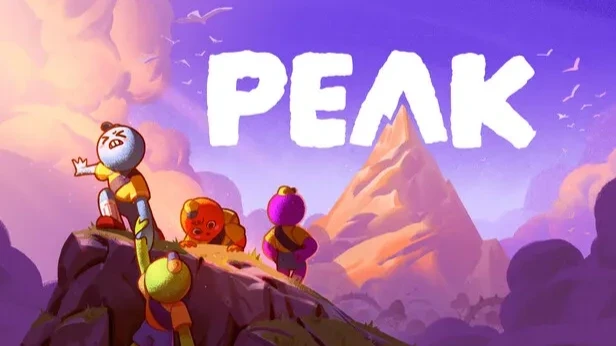
PEAK Game: A Parent’s Guide to Content and Child Suitability
In today’s digital age, video games have become a significant part of children’s lives, offering both entertainment and educational value. However, with the vast array of games available, parents often find themselves questioning which titles are appropriate for their children. One such game making waves in the gaming community is PEAK. This article aims to provide parents with a comprehensive guide to the game and help evaluate whether it is safe and appropriate for children.


Is Lemon8 Safe for Kids? A Parent's Guide
In today's digital age, social media platforms are an integral part of children's lives, offering both opportunities for learning and creativity, as well as potential risks. One such platform gaining popularity is Lemon8. As parents, it's crucial to understand the nature of these apps to ensure the safety and well-being of our children online. This guide delves into the features of the Lemon8 app, evaluates its safety for kids, and provides actionable recommendations for parents to navigate its use effectively.