



Sex Education for Teenagers: How to Start the Conversation
In today’s rapidly changing world, discussing sex education for teens has become more crucial than ever. With the explosion of information available online, families face an increased need to have honest, informed conversations about sexual health and emotional development in adolescence. Experts from reputable sources such as the American Academy of Pediatrics and leading research centers confirm that early, open dialogues help teenagers understand the emotional changes in adolescents and support their overall development of a teenager. When parents avoid the topic, misinformation from the internet, social media, and even pornography can fill the gap. Remember, there is no “perfect” way to begin this conversation—it’s all about creating a safe space for open discussion.


Why Teenagers Need Sex Education
Teenagers today often turn to the Internet and social media as their main sources of information. Without guided, parental input, they can encounter harmful content, including explicit images, distorted views of relationships, and risky behaviors driven by peer pressure. Studies show that misinformation regarding topics such as emotional changes during puberty and mood swings puberty is widespread. Sex education for teens provided by parents helps correct misconceptions and reinforces that adults are trusted, safe sources for factual advice. By addressing topics like physical changes alongside emotional changes in adolescence examples—such as the mood changes in puberty—parents can weave practical advice for parents into everyday discussions about their child’s growth.
When to Start the Conversation
Despite the common belief that “it’s too early” to talk about sex, evidence supports early, age-appropriate discussions.
- Ages 10–12: At this stage, children begin noticing physical and emotional changes in adolescence. Use simple language to explain aspects of puberty and emotional changes during puberty to normalize the process.
- Ages 13–15: As interpersonal relationships become more important, introduce the concepts of consent, personal boundaries, and respect in relationships.
- Ages 16–17: Deepen the conversation to include sexual safety, contraception, and STIs. Discussions should evolve along with the development of a teenager by addressing their emotional development in adolescence.
Remember to adjust conversations based on your child’s unique maturity. Every teenager is different, and their questions might reflect personal mood changes in puberty or even more subtle emotional cues.

How Parents Can Prepare
Before initiating the discussion, it is essential for parents to reflect on their own comfort levels and beliefs. Identify personal discomfort and consider seeking advice for parents from trusted sources such as pediatricians or educational websites (e.g., Google Scholar findings). Aligning approaches between caregivers is also key—consistent messaging builds trust. If a question arises that you cannot answer, be honest: “I don’t have all the answers right now, but we can find them together.” This open and honest approach reinforces that learning about sensitive topics is a lifelong journey.
How to Start the Conversation
Begin with natural conversation starters related to current events or media. For example, if a news story about a celebrity’s experience surfaces or a movie scene touches on the topic, ask: “What do you think about this situation?” Alternatively, if your teen mentions a question about relationships or changes they’re experiencing, reply with: “I remember going through these changes myself; would you like to talk about what you’re noticing?” If your teenager avoids the topic, gently reassure them that it’s normal to feel shy or uneasy and encourage them to revisit the conversation when they feel ready.
Key Topics to Discuss First
- Discuss the physical aspects of puberty such as emotional changes in adolescents and the development of a teenager’s body.
- Introduce the concept of consent and personal boundaries, ensuring your teen understands the importance of mutual respect.
- Talk about feelings, attraction, and relationships—emphasizing that emotional development in adolescence goes hand in hand with physical change.
- Cover sexual safety, contraception, and STIs in a calm, informative manner that avoids fear-based messaging. Remember, even discussions about phone control and parental control internet can be tied into ensuring they access reliable information online.
What to Avoid in These Conversations
- Avoid lecturing or moralizing—this may shut down conversation rather than invite curiosity.
- Steer clear of fear-based warnings or terrifying statistics without a balanced explanation.
- Do not compare your child to their peers, as this might impact their self-esteem.
- Avoid turning the discussion into an interrogation; instead, nurture an open dialogue where questions are welcomed.
Questions Teenagers Ask
Teenagers might ask a wide range of questions—for younger teens, queries often center around physical changes and mood swings puberty, while older teens may inquire about consent, contraception, and relationship dynamics. Respond clearly, using simple, honest language. For example, when approached with questions about why their body is changing, you might say, “These changes are normal. They are part of growing up and becoming an adult.” When faced with an uncomfortable or unexpected question, it’s acceptable to pause, consider the best facts available, and say, “That’s a great question—I’ll need a moment to think about it, or we can look it up together.”
If the Conversation Doesn’t Go as Planned
Sometimes, conversations might not flow as expected; if your teen becomes disengaged or upset, calmly conclude by acknowledging their feelings: “I understand this topic is difficult, and I want you to know I’m here whenever you’re ready to talk.” Keeping communication open is key to normalizing ongoing discussions. In this regard, utilizing tools like the parental control app Kroha can help manage phone control settings and parental control internet features, ensuring that your teen is exposed to age-appropriate content while gradually guiding them towards trustworthy sources. Such apps not only monitor content but can also provide gentle prompts that reinforce what you’ve discussed, creating a safer, supportive environment.
Conclusion
Sex education is an ongoing process rather than a one-time conversation. Trust and openness matter more than finding the “perfect” words. Even if the conversation starts imperfectly, taking that first step is essential. By integrating honest dialogue, practical examples, and trusted resources, parents empower their teens to navigate the complex changes of puberty and beyond. Remember, starting the conversation—even with some uncertainty—lays the groundwork for better understanding in the future, and tools like Kroha can provide added reassurance along the way.
We hope this guide serves as useful advice for parents, blending expert insights with real-life scenarios to support healthy emotional changes in adolescents and promote the overall development of a teenager.
Recent articles

Adolescent Individuality and Self-Expression: How to Support
Adolescence is a pivotal stage in human development characterized by significant physical, emotional, and psychological changes. One of the key aspects of this period is the emergence of individuality and the need for self-expression. Navigating this journey requires a delicate balance between providing support and maintaining appropriate boundaries. This article explores the importance of adolescent self-expression, the role of parents in fostering individuality without exerting undue control, and strategies to ensure digital safety and healthy development.

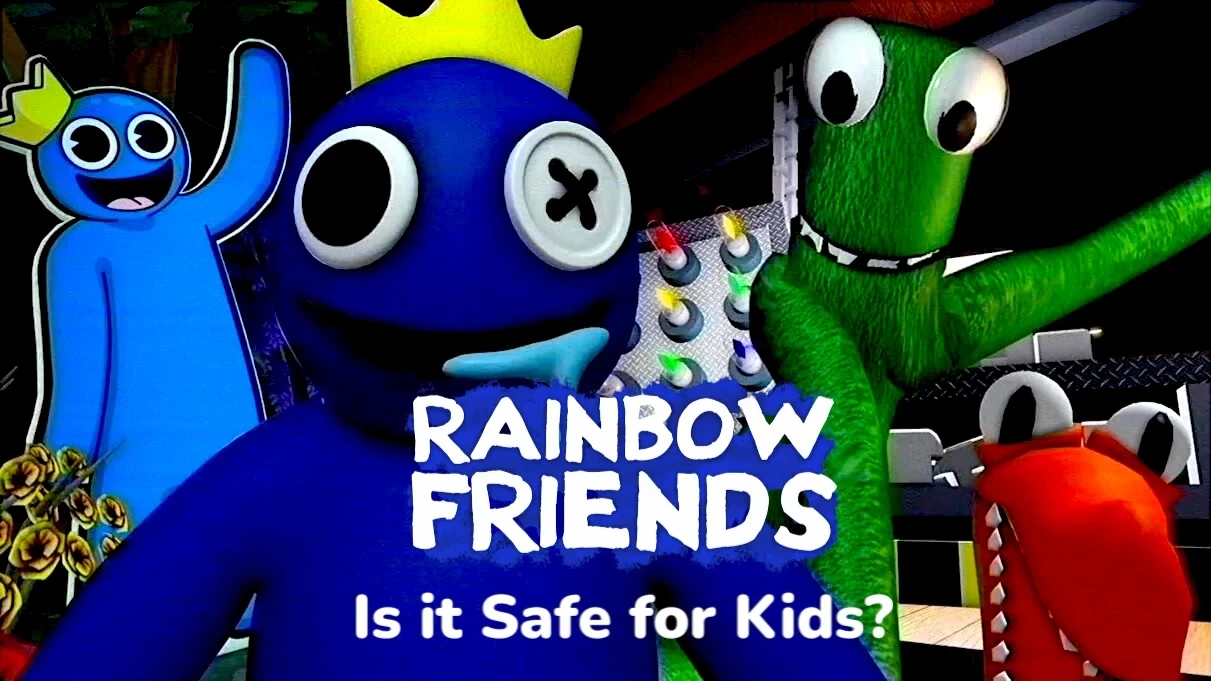
Rainbow Friends Safe for Kids? Parent's Guide
In today's digital age, children are increasingly drawn to interactive games that captivate their imagination and provide endless entertainment. One such game that has gained substantial popularity among young audiences is Rainbow Friends. As parents, understanding the safety and impact of these games on your child's development is crucial. This guide delves into the world of Rainbow Friends, exploring its origins, characters, safety assessments, and expert opinions to help you make informed decisions about your child's gaming habits.